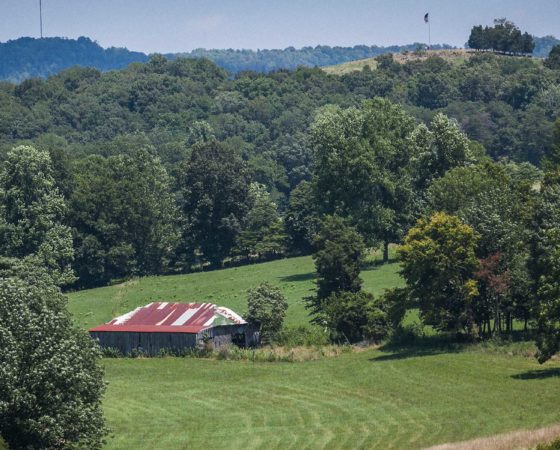
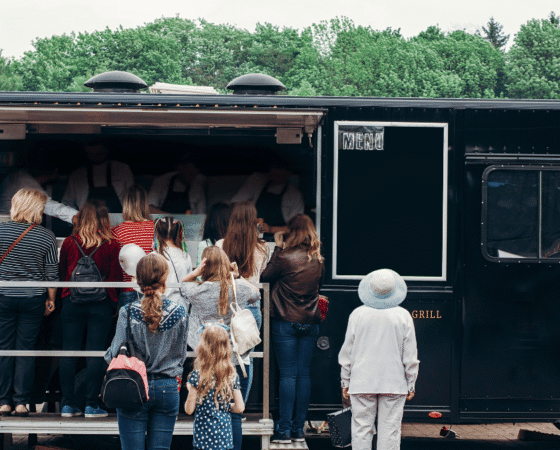
Famed for its rolls and fried chicken, the Bread and Chicken House operated as a women-owned cooperative in Big Stone Gap, Virginia from 1971 to 1988. Through determination, shared ownership, and the support of partners like the Mountain Association, the cooperative evolved into a popular bakery and restaurant that created lasting economic opportunity for its owners.

The cooperative was originally organized by Mother Mary Catherine Rumschlag, a former Mother General of the Glenmary Sisters, a Catholic religious order known for working alongside underserved rural communities. After moving to Big Stone Gap in 1970, she established the restaurant as a long-term community project to provide local employment.
Recognizing both the economic challenges facing local women and the potential for community-owned business development, Rumschlag’s vision centered on empowering local women to become business owners rather than simply employees. Every member would have a stake in the business and a voice in its future.
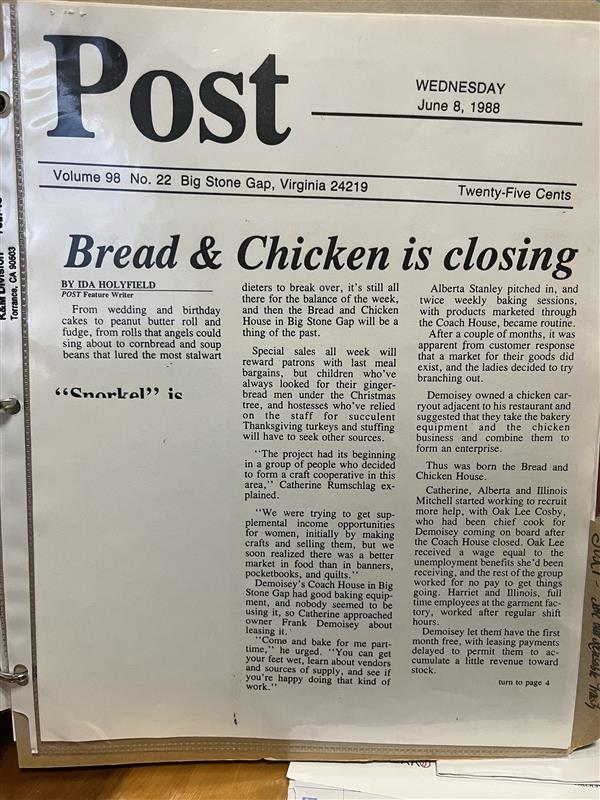
Through a partnership with Demoisey’s Coach House who had baking equipment, the women tested the local market for their goods. Their baking proved to be a success and they opened up next door, adding chicken to their slate of offerings.
Growing the Business
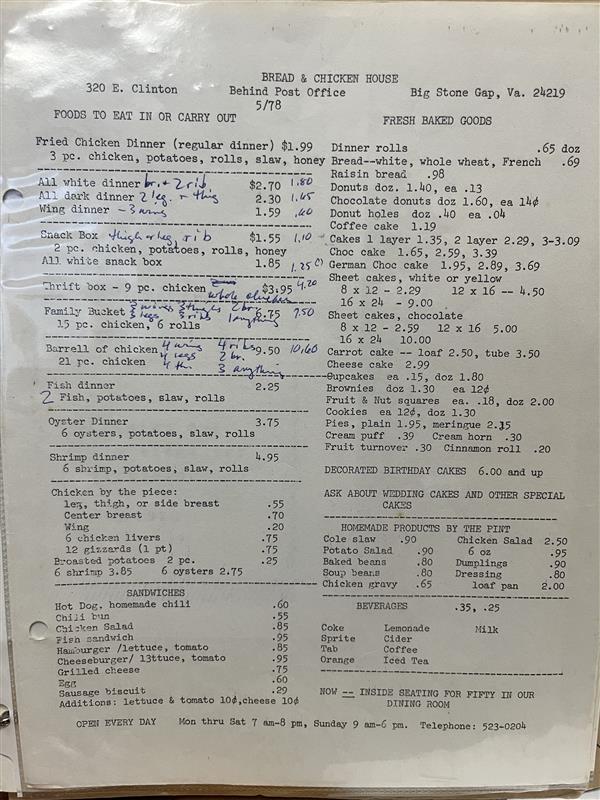
Like many growing businesses, however, success brought new challenges. As the cooperative gained customers and expanded its reputation, it quickly outgrew the facility. At the same time, the management systems that had worked during the organization’s early years were becoming strained. Competition was also increasing as national fast-food franchises began entering the community, creating pressure for the cooperative to adapt and strengthen its operations.
Bread and Chicken House partnered with the Mountain Association, shortly after we formed in 1976. Our early staff provided business support, technical assistance, and financing guidance to entrepreneurs and community enterprises throughout Appalachia, with a particular focus on cooperatives.
The Mountain Association’s assistance proved transformational. Staff helped the cooperative secure a larger facility that could accommodate its expanding operations and growing customer base. They also assisted with recruiting and training new management, helping the organization develop leadership capable of guiding the business through its next phase of growth.
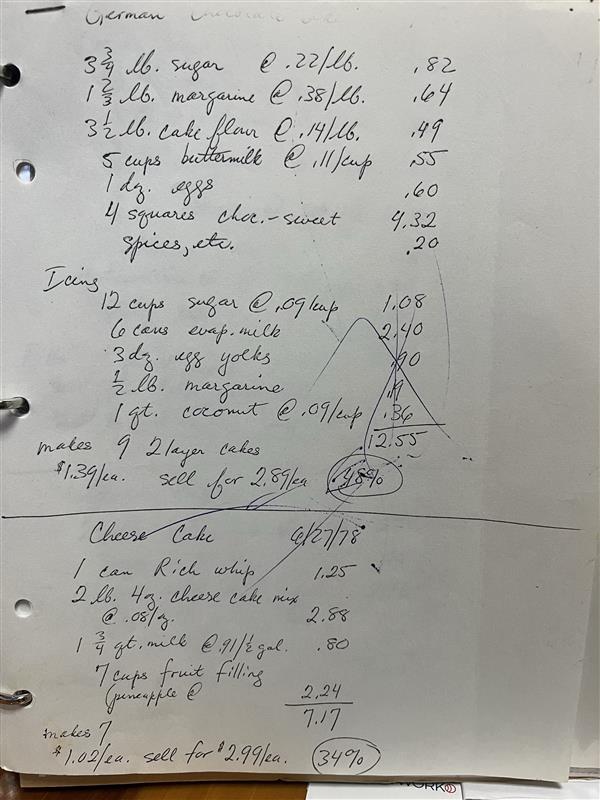
Equally important was the work done to strengthen the cooperative’s internal structure. As any member-owned organization grows, balancing democratic participation with effective business management can become challenging. The Mountain Association worked with Bread and Chicken House to implement a stronger cooperative governance model, ensuring that each of the seven members could continue sharing ownership and decision-making responsibilities while maintaining an efficient operation. The organization also helped the cooperative secure the financing necessary to support expansion and modernization efforts.
Coming to a Close
As profitability improved, the cooperative began making distributions to members’ share accounts, allowing the owners to directly benefit from the success they had worked together to create. However, over the years, members faced family emergencies, coinciding with local economic issues and increased competition. As a result, the members decided to sell the business. With no buyer found, they made the decision to close in 1988.
“From wedding and birthday cakes to peanut butter roll and fudge, from rolls the angels could sing about, to cornbread and soup beans that lured the most stalwart dieters to break over, it’s all still there for the balance of the week, then the Bread and Chicken House in Big Stone Gap will be a thing of the past,” wrote the local paper on June 8.
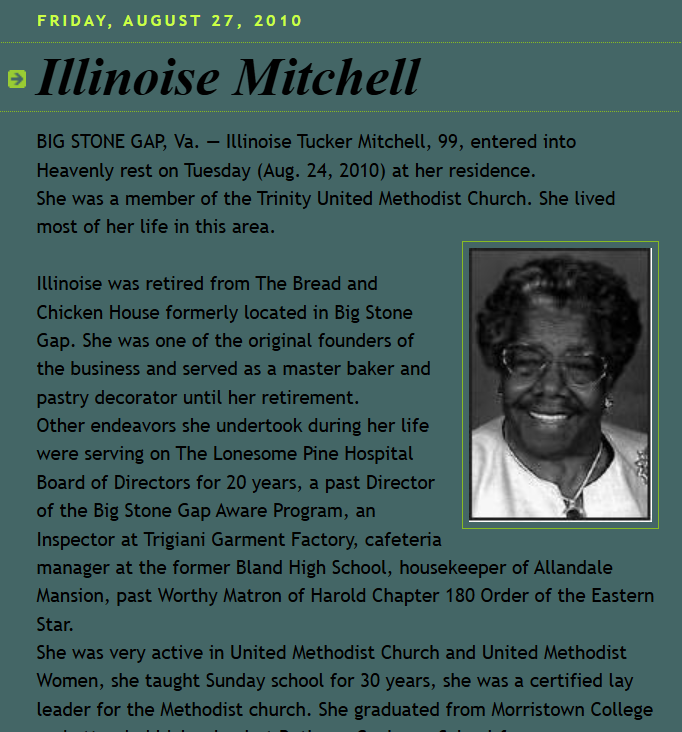
Though many of the people originally involved have since passed away, several families of the women involved highlighted their accomplishments at the restaurant in their obituaries and in their celebrations of life.
The story of Bread and Chicken House illustrates what is possible when community leadership, cooperative ownership, and targeted technical assistance come together. The Glenmary Sisters helped plant the seeds by supporting a vision for women-owned economic opportunity. The women brought dedication, hard work, and entrepreneurial spirit. And the Mountain Association provided the expertise, financing support, and organizational guidance needed to help the cooperative grow beyond its initial challenges.
For 50 years, the Mountain Association has invested in people and places throughout Eastern Kentucky and Appalachia. To learn more stories of our history, visit mtassociation.org/history.